ভিডিওসংবেদনশীল
Riddoy: Evidence of a Murder - ENGLISH
উৎস: International Truth and Justice Project (ITJP) Bangladesh
প্রথম বিক্ষোভ থেকে সরকার পতন পর্যন্ত অভ্যুত্থানের প্রামাণ্যচিত্র ও ভিডিও অনুসন্ধান।
৮টি উৎস
উৎস: International Truth and Justice Project (ITJP) Bangladesh

This BBC World Service documentary examines the violent crackdown on anti-government protests in Bangladesh in July and August 2024, which culminated in Prime Minister Sheikh Hasina's resignation and departure from the country. The document describes how protests initially triggered by a discriminatory job quota system escalated into a broader uprising after police killed student demonstrator Abu Sayed on 16 July, leading the government to impose a communications blackout and order security forces to use lethal force. According to the documentary, which cites leaked recordings, police documents, and eyewitness accounts, police fired thousands of rounds of live ammunition at protesters, particularly at a critical confrontation on 5 August at Jatrabari in Dhaka, where the documentary states "one of the worst incidents of police violence in Bangladesh's history" occurred before Hasina fled by helicopter.
উৎস: YouTube
উৎস: International Truth and Justice Project (ITJP) Bangladesh

According to this Al Jazeera Investigates video episode, on July 16, 2024, a student named Abu Sayed was shot and killed by police at Begumaya University in Bangladesh during a student protest, becoming a symbol of the uprising after his image was widely circulated on murals and social media. The document details how a student journalist named Sam (also referred to as CM) live-streamed the event on Facebook, documenting the police violence, Abu Sayed's fatal confrontation with officers, and subsequently the hospital where Abu Sayed died—footage that the episode suggests was instrumental in mobilizing the broader protest movement. Sam's decision to broadcast the events directly to Bangladeshi social media audiences proved consequential in turning Abu Sayed into what the document describes as a "martyr" and catalyzing the uprising.
উৎস: YouTube
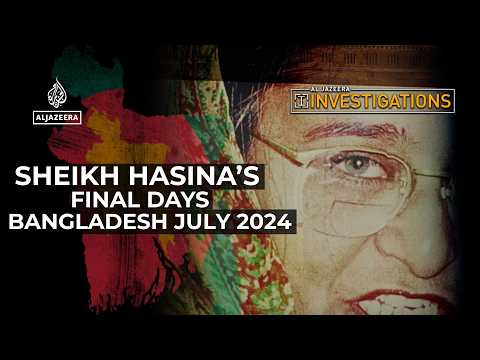
According to Al Jazeera Investigates, this documentary examines events in Bangladesh during July 2024, when Prime Minister Sheikh Hasina's government collapsed amid student-led protests against a job quota system. The document states that Al Jazeera obtained secret audio recordings of Hasina's phone calls and presents accounts from witnesses and officials, alleging that Hasina ordered security forces to use lethal force against protesters, covered up the death of student Abu Saeed, and used surveillance to identify and detain political opponents. The investigation documents the deaths and injuries sustained during the uprising, the government's alleged attempts to manipulate an autopsy report, and the eventual downfall of Hasina's 15-year rule.
উৎস: YouTube
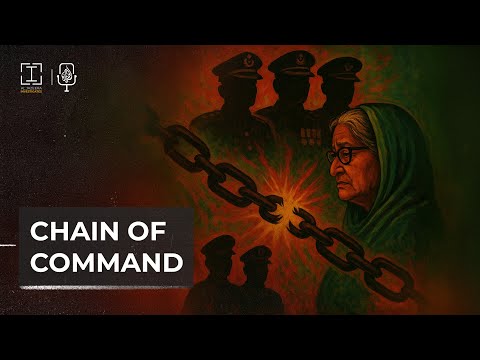
This Al Jazeera investigative episode examines the final days of Prime Minister Sheikh Hasina's rule in Bangladesh during July-August 2024, focusing on how her attempts to suppress a student-led uprising through media control, public relations efforts, and coerced statements ultimately backfired. The document describes how junior army officers, disgusted by orders to fire on civilians, staged a meeting on August 3rd that forced the army chief to halt military support for the government, effectively ending Hasina's ability to maintain power. The episode also traces how Hasina's authoritarian governance over 15 years—including expansion of surveillance powers, control of security forces like the paramilitary RAB, and suppression of dissent—created the conditions for the uprising that would lead to her fleeing the country on August 5th.
উৎস: YouTube

This Al Jazeera Investigates video episode documents the events of August 5, 2024, during what students call the "36th July Uprising" in Bangladesh—referring to the final day of Prime Minister Sheikh Hasina's government, which they commemorated by extending July five days to mark their victory. The document presents accounts from various participants, including a father whose daughter Nasifa was shot and killed that morning while participating in the largest mass protest yet, as well as other protesters and observers who describe hundreds of thousands of people marching toward the capital despite police and armed Awami League supporters firing on crowds, while the army largely stood aside. According to the account, as the situation on the ground became increasingly dire and it became clear the army would not prevent protesters from reaching her residence, Prime Minister Hasina was given an ultimatum to resign and leave the country, which she ultimately accepted, with her departure occurring around 3 p.m. on August 5th—the same day that would become the bloodiest single day of the uprising.
উৎস: YouTube
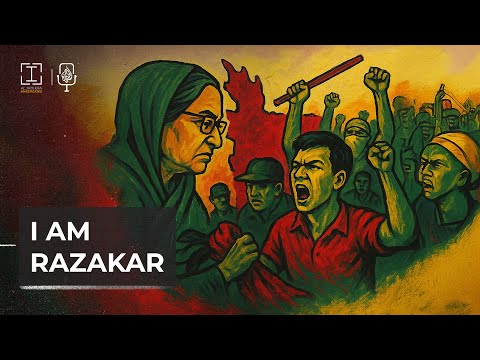
This Al Jazeera investigative video series documents Bangladesh's 2024 uprising that led to Prime Minister Sheikh Hasina's resignation and flight from the country on August 5th. According to the document, the protests began in early July over a government job quota system favoring descendants of independence war fighters, but escalated dramatically after Hasina compared student protesters to "Razakars" (collaborators with Pakistan during the 1971 independence war) during a July 14th press conference. The document states that this inflammatory remark unified students across campuses, who then faced violent crackdowns by Chhatra League (the ruling party's student wing) and government forces, yet the mounting state violence ultimately failed to suppress the movement, which eventually succeeded in removing Hasina from power after three weeks of escalating protests.
উৎস: YouTube
জুলাই আর্কাইভের মানোন্নয়নে আমরা কুকি ব্যবহার করি। বিশ্লেষণমূলক কুকি ঐচ্ছিক — ত্রুটি শনাক্তকরণ বৈধ স্বার্থের ভিত্তিতে চলে। বিস্তারিত জানতে আমাদের গোপনীয়তা ও কুকি নীতি দেখুন।